

Bingham University Host International Seminar Titled ‘Restorative Justice And The Management Of Victims Of Violent Extremism In Africa’
Published on: Aug 25th, 2026
The Centre for Strategic Research and Studies, National Defence College (NDC) and the Ambassador Bulus Lolo Centre for Diplomacy, Conflict, Peace and Plural Studies, Bingham University (ABLC) on Thursday, 6th August 2026 jointly hosted a one-day seminar to address the growing challenge of violent extremism in Africa.
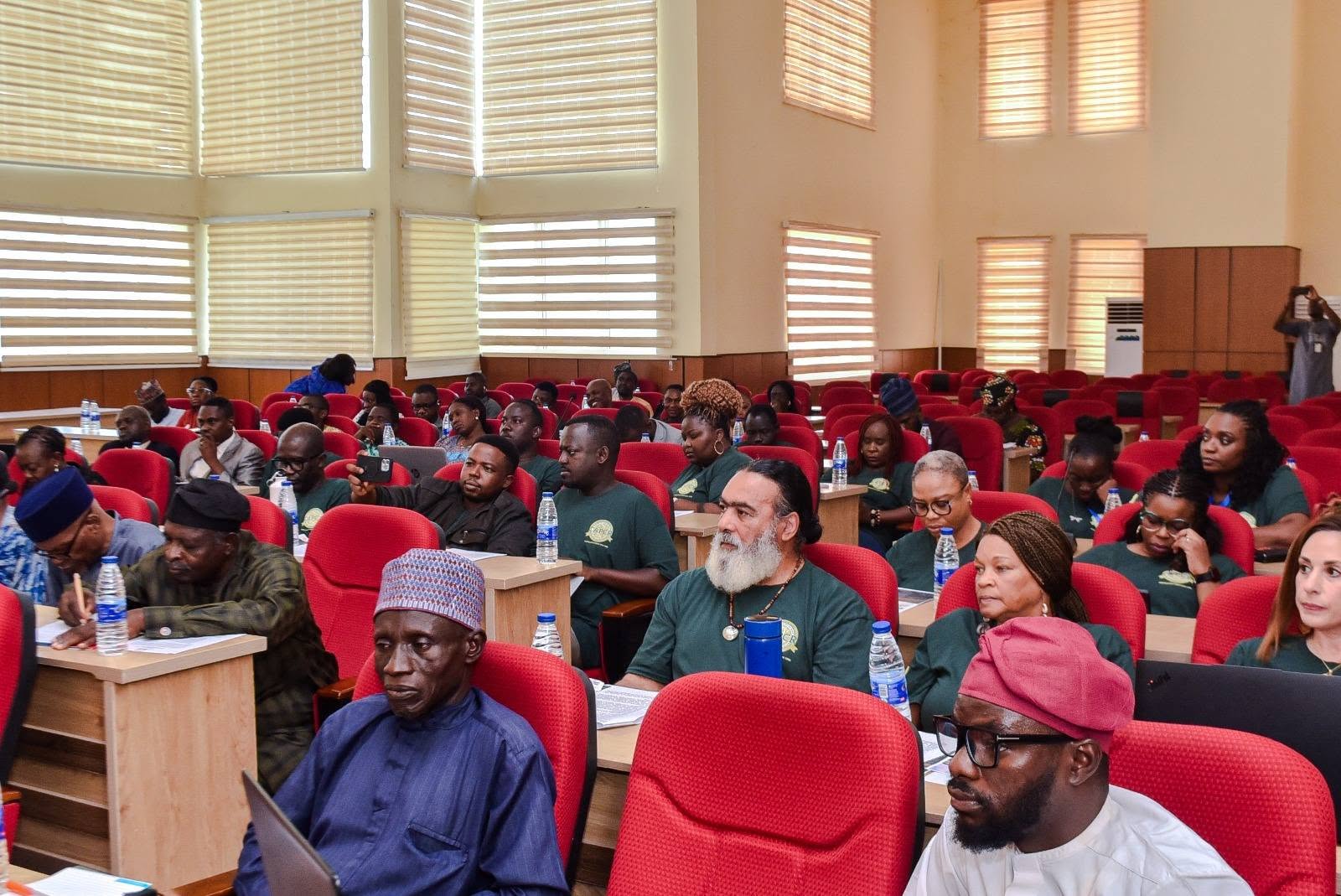
The seminar held at the Senate Chamber, Bingham University, brought together Africa Peace Fellows (APF), diplomats, academics, security experts, and stakeholders from Nigeria, the USA, and other African countries.
The Vice-Chancellor of Bingham University, Professor Haruna Kuje Ayuba, in his address described the seminar as timely, noting that violent extremism had continued to cause widespread loss of lives, displacement, psychological trauma, and the weakening of social cohesion across the continent.
Professor Ayuba said that military action, although necessary in confronting violent groups, could not by itself address the social and emotional consequences of conflict. He therefore advocated a justice approach that would not only punish wrongdoing but also help victims recover, rebuild trust, and restore damaged relationships within affected communities.
The Vice-Chancellor urged participants to critically examine the applicability of restorative justice in cases involving violent extremism. He called for the development of justice models that were context-specific, culturally sensitive, and supported by relevant institutions.
Representing the Honourable Minister of State for Foreign Affairs, Ambassador Sola Enikolaiye, Ambassador Bukar Kalambe said the seminar provided an opportunity to examine how justice, accountability, healing, and reconciliation could work together in rebuilding societies fractured by violent extremism. He noted that experiences across Africa had shown that military victories alone did not necessarily heal communities or restore the lives of victims.
According to him, sustainable peace required both the prevention of further violence and deliberate efforts to repair the physical, emotional, social, and economic damage suffered by affected populations.
He commended the Ambassador Bulus Lolo Centre, the participating experts, collaborating institutions, and peacebuilders from across Africa for convening the seminar.
Experts from California State University, Sacramento (CSU Sacramento) further explored in a paper on the ‘The need to place victims at the centre of justice’. The presenters argued that a sincere apology could play an important role in helping victims of violent extremism heal, particularly when it formed part of a carefully managed restorative justice process.
The session facilitated by the Dean of communication and media studies Prof Desmond Okocha had Dr. Alexa Sardina, Krishna Guadalupe, and Dr. Ernest Uwazie of CSU and Prof Istifanus Zabadi of Bingham University as discussants. They explained that restorative justice brings together parties affected by harm to examine what happened, identify the consequences, accept responsibility where appropriate, and determine how the harm can be addressed.
The discussants distinguished restorative justice from a traditional criminal justice system that focuses largely on establishing guilt and imposing punishment. They said restorative processes placed greater emphasis on the experiences of victims, the responsibility of offenders, and the role of the community in supporting recovery and preventing further harm.
They explained that Victim-Offender Dialogues must be confidential, voluntary, and facilitated by trained professionals. Such meetings, they added, should take place only when the parties are adequately prepared and when appropriate safeguards are in place. The experts identified personal narratives, emotional expression, active listening, shared understanding, and agreed forms of redress as important elements of the dialogue process.
They also acknowledged that restorative justice was not without difficulties. Challenges could arise from uncertainty about the purpose of the process, fears that participation might cause further harm, and the difficulty offenders might face in offering an apology that victims considered sincere and meaningful.
Speaking earlier, Dr. John Olushola Magbadelo, Director of the Ambassador Bulus Lolo Centre, welcomed participants to the international seminar, describing it as the outcome of a collaborative effort among the National Defence College, California State University, Sacramento, Afripeace Sustainable Development Foundation, and Bingham University.
He said the seminar followed an earlier conference on restorative justice and focused specifically on apology as an often-overlooked instrument of healing and reconciliation in Africa.
Dignitaries present included Excellencies, Members of the Diplomatic Corps, Bingham University Senate, Principal Officers, Dr Ibrahim Dasam of the National Defence College (NDC), Delegates from USA and African Countries, Director news, Nigerian Television Authority (NTA) Mr Ayo Adewuyi represented by Mr Omini Oden.
..............................................
Directorate of Public Affairs
Office of the Vice-Chancellor
Bingham University