

Bingham University Hosts High-Level Seminar To Strengthen Inaugural Lecture Culture And Scholarly Visibility
Published on: Apr 27th, 2026
Bingham University,has organized a high-level Inaugural Lecture Preparation Seminar aimed at strengthening academic tradition and equipping professors with the skills needed to deliver well-structured and impactful inaugural lectures. The theme “Understanding the Purpose, Process, and Priorities in the Inaugural Lecture.”
Declaring the programme open, the Vice-Chancellor, Prof. Haruna Kuje Ayuba, described the training as a deliberate effort to close a long-standing gap in the University’s scholarly culture. The Vice-Chancellor explained that the need for the seminar became even more pressing following the promotion of over 60 academic staff to professorial ranks within the last two years. According to him, many of these newly promoted professors are products of the institution and require proper orientation on academic traditions that help define a university’s intellectual identity. He stressed that inaugural lectures are not mere ceremonies, but platforms for intellectual engagement, mentorship, visibility and institutional prestige.
Prof. Ayuba also drew from personal experience, recalling that he became a professor in 2007 but delivered his inaugural lecture eight years later after moving to another institution. He attributed such delays to hierarchical traditions common in older universities, where younger professors are often expected to wait until older colleagues have presented theirs. He assured participants that Bingham University is determined to chart a different course by encouraging newly promoted professors to deliver their inaugural lectures without unnecessary delays.
The keynote address was delivered by renowned academic and linguist, Prof. Gideon S. Omachonu, who spoke on the topic “The Inaugural Lecture: A Scholar’s Public Conversation with the University and Society.” The expert challenged professors to see inaugural lectures as defining moments that connect scholarship with society rather than routine academic obligations. He described the inaugural lecture as a rare opportunity for scholars to present the essence of their intellectual journey, bringing together years of research, teaching and reflection into a coherent public narrative.
He traced the history of inaugural lectures to centuries-old traditions in universities such as Oxford and Cambridge and noted that the practice gained prominence in Nigeria through the University of Ibadan in the early 1970s. He explained that inaugural lectures help scholars highlight their contributions to knowledge, outline future research directions and strengthen the relationship between universities and the public. He also described the lecture as an intellectual autobiography but warned against turning it into a mere personal story, stressing the need for strong scholarly depth.
The Professor of Linguistic advised professors to ensure their lectures are rigorous yet accessible, considering the diverse audiences that typically attend such events. He urged lecturers to avoid excessive jargon, communicate clearly, and focus on coherence rather than listing publications. In faith-based institutions like Bingham University, he added, scholarship should reflect ethical responsibility and a commitment to service.
In his presentation, the Pro-Chancellor, Prof. Andrew Haruna, delivered a lecture titled “University Culture and Some Disturbing Exemplary Practices.” He raised concerns over declining standards and weakening academic traditions in Nigeria’s higher education system, noting that while the country now has over 300 licensed universities serving millions of students, the rapid expansion has created pressures that demand urgent attention. He stressed that the university remains the highest centre of learning where teaching, research and community service must combine with character formation.
Prof. Haruna warned against producing graduates with certificates but without integrity, and cautioned against academics he described as “green pasture professors” who priorities personal gain over intellectual contribution. He described university culture as the collective identity of an institution shaped by its values, traditions and behavior. He criticized disturbing practices such as politicization of inaugural lectures, inappropriate dressing during ceremonies, long speeches and the abuse of goodwill messages.
He also spoke against examination malpractice, extortion, weak mentoring systems, cultism, drug abuse and sexual harassment, urging universities to return to values of honesty, discipline and service. He emphasized that mentoring must be repositioned as a key responsibility of professors in shaping younger academics and students.
The Deputy Vice-Chancellor, Prof. Musa Dankyau, delivered a session titled “Structuring the Inaugural Lecture Across Disciplines.” He described the inaugural lecture as a strategic academic milestone that enables scholars to define their identity and communicate their intellectual contributions. He introduced participants to the 4S Framework; Story, Scholarship, Significance and Synthesis as a model for building well-organized lectures. He stressed that structure drives understanding, builds credibility and sustains engagement, encouraging lecturers to balance academic depth with clarity.
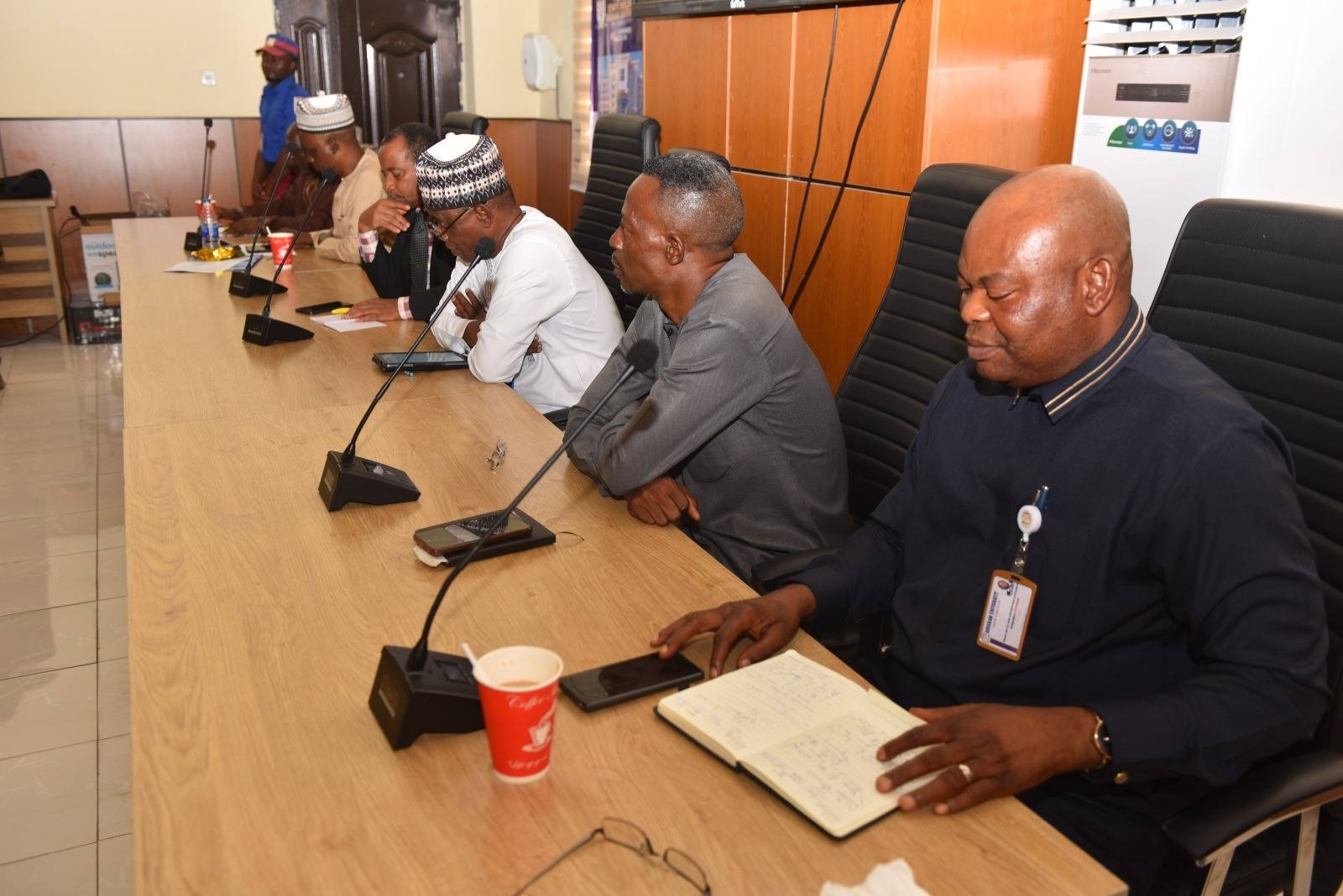
The seminar also featured a panel session titled “Lessons from the Podium: Reflections from Professors who have Presented,” where experienced inaugural lecturers shared practical insights. The panel included Prof. Olufemi Emmanuel Dokun-Babalola and Prof. Joseph Bamidele Okoli (both in absentia), alongside Prof. John Olu-Coris Aiyedogbon, Prof. Samuel Unenwojo Odoh Odoma, Prof. Haroun Omeiza Isah, Prof. Michael S. Akpan, Prof. Nuhu Dogara Gado and Prof. Yusuf Joe Gandu.
Anchored by Prof. Dankyau, the panel discussion focused on challenges faced during preparation, expectations from the University, areas requiring improvement and innovations that could strengthen the professionalism of inaugural lectures in the institution. Panelists identified topic framing, clarity of language, time constraints, among other challenges as common hurdles. They commended the Vice-Chancellor’s leadership for accelerating the pace of inaugural lectures, praised the University’s strong publicity and visibility and acknowledged management’s financial support for inaugural lecturers.
...........................................................
Directorate of Public Affairs
Office of the Vice-Chancellor
Bingham University