

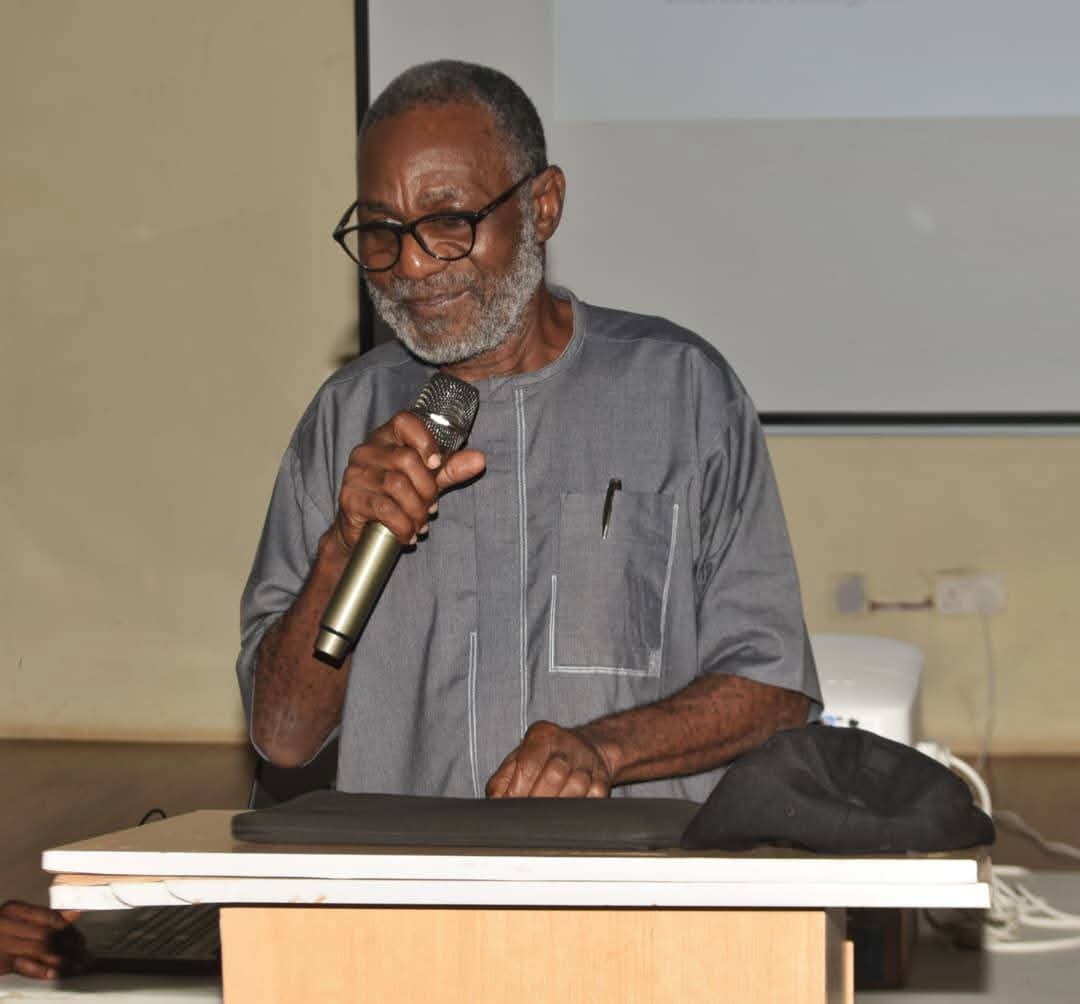
Bingham University Hosts Postgraduate Lecture Series On Misconceptions About Research Methods In Arts And Literary Studies
Published on: Jun 4th, 2026
Bingham University, recently hosted the inaugural edition of its Postgraduate Lecture Series, with scholars calling for a better understanding of research methods in Arts and Literary Studies and cautioning against the indiscriminate application of scientific research models to the humanities.
Speaking at the event, the Deputy Dean of the School of Postgraduate Studies, Dr. Olusegun Adelaiye, delivered the welcome address on behalf of the Dean, School of Postgraduate Studies, Prof. Joseph Bamidele Okoli.
Dr. Adelaiye conveyed the goodwill message of the Vice-Chancellor, Prof. Haruna Kuje Ayuba, who was unable to attend the event due to official engagements. He also delivered the apologies of Prof. Okoli, noting that both university leaders remained fully supportive of the intellectual initiative.
Welcoming participants, Dr. Adelaiye described the theme of the lecture as timely, particularly at a period when academic research is increasingly measured through scientific and empirical standards. He observed that Arts and Literary Studies are frequently misunderstood as disciplines lacking methodological rigour because they do not always conform to the procedures associated with the sciences.
He explained that the lecture was intended to challenge such assumptions by drawing attention to the intellectual foundations of Arts-based research and the important role it continues to play in advancing knowledge.
According to him, approaches such as narrative analysis, hermeneutics, textual criticism and creative practice offer valid and established pathways for investigating human experiences, culture and society. He urged participants to engage actively during the lecture and the interactive session that followed.
Delivering the keynote presentation, Prof. Dul Johnson argued that one of the greatest challenges confronting Literary Studies today is the widespread misunderstanding of what constitutes research within the discipline.
He noted that many scholars outside the humanities approach research as though it were a single process applicable to every field of study. Such assumptions, he said, fail to recognize the unique methods through which literary scholars investigate human realities and contribute to knowledge. “The problem with literature is the misconception of the term research by non-literary scholars who see research as a one-size-fits-all garment,” he said.
Prof. Dul maintained that while researchers across disciplines seek solutions to human problems, the methods employed vary according to the nature of each field. He therefore called for greater appreciation of disciplinary differences and a clearer understanding of the purpose and practice of literary scholarship.
According to him, research in literature extends beyond the production of academic papers and publications. Rather, it seeks to deepen understanding of society, shape human thought and contribute to social progress. “If everyone knew the value of literature and embraced reading, the world would have been saner,”
He expressed concern over what he described as the growing influence of scientific and social science methodologies on Literary Studies. He argued that the increasing insistence on applying such models to literature has led many scholars and students to adopt approaches that do not align with the nature of their discipline.
Drawing parallels between research and storytelling, Prof. Dul observed that literature has served humanity since the earliest periods of civilisation by preserving experiences, transmitting values and encouraging reflection on social realities. He explained that literature contributes to social change through intellectual engagement rather than through immediate political action.
Using the African storytelling tradition as an example, he described the creative writer as a seer, healer and entertainer whose work helps communities understand themselves and confront their challenges. “The creative writer, like the griot in the African context, is a seer, a healer and an entertainer rolled into one,” he said.
Prof. Dul also addressed contemporary debates surrounding national development and educational priorities. While acknowledging the importance of Science, Technology, Engineering and Mathematics (STEM), he argued that sustainable development requires more than scientific advancement alone. He noted that despite decades of emphasis on STEM disciplines, many developing nations continue to depend heavily on countries such as South Korea, Malaysia, Indonesia, China and the United States for technological innovation and industrial growth.
The lecture attracted postgraduate students, academics, researchers and other members of the university community, who participated in discussions on research philosophy, disciplinary methods and the place of the humanities in contemporary scholarship.
........................................................
Directorate of Public Affairs
Office of the Vice-Chancellor
Bingham University